< Go back to awards
2026 winners and nominees of the Distinguished Academics Awards
Meet the winners and learn how their work is making an impact in the non-academic world, demonstrating the vitality of university-based research and scholarly activity.

The Distinguished Academics Awards promote the value of university research in advancing the public good. Nominees hail from various institutions and disciplines, often working in very different domains—yet they’re united by a passion for meaningful research that fuels our economy, democracy, and intellectual life.
WINNERS
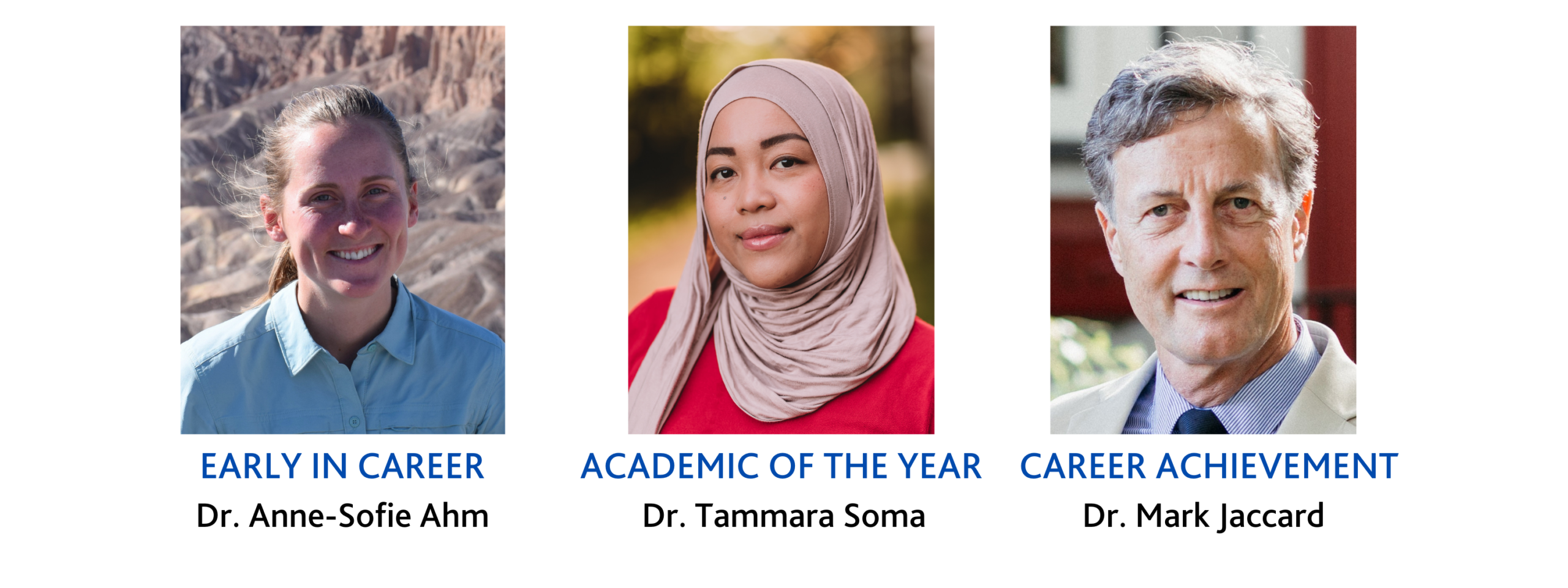
Early in Career Award
Dr. Anne-Sofie Ahm
University of Victoria
Dr. Anne-Sofie Ahm is an Assistant Professor in the School of Earth and Ocean Sciences (SEOS) at the University of Victoria. She was nominated for her groundbreaking working on sediment alteration. She uses novel geochemical and numerical techniques to study the geochemistry of ancient sedimentary rocks and create new and more robust records of our planet’s history. She recently revolutionized a new approach that allows us to see though the ‘geologic noise’ and generate more robust records of past climate change.
Paz Buttedahl Career Achievement Award
Dr. Mark Jaccard
Simon Fraser Univesity
Dr. Mark Jaccard is a Distinguished Professor in the School of Resource and Environment at Simon Fraser University. He was nominated for his career contributions in designing and evaluating climate policies. He has served on many international and Canadian climate policy processes, including the Intergovernmental Panel on Climate Change, the China Council, Canada’s National Roundtable and the CD Howe Institute. Three of his books were shortlisted for the Donner Prize, with one winning. His career contributions have been recognized with fellowship in the Royal Society of Canada, the King Charles III Coronation Medal and the Order of British Columbia.
Ehor Boyanowsky Academic of the Year Award
Dr. Tammara Soma
Simon Fraser Univesity
Dr. Tammara Soma is an Associate Professor in the School of Resource and Environmental Management at Simon Fraser University. She was nominated for her research on issues pertaining to food system planning, Indigenous food sovereignty, food loss and waste, food systems resiliency and the circular food economy. Dr. Soma was recently inducted into the Royal Society of Canada College of New Scholars, Artists and Scientists. She served on the United Nations’ High-Level Panel of Experts on Food Security and Nutrition, co-authoring a groundbreaking report on equitably transformative resilience. She co-founded the Food System Labs, a research and innovation hub that explores solutions for a sustainable food system that enhances ecosystems, conserves natural resources and mitigates climate change.
NOMINEES
Early in Career Award Nominees
Dr. Amanda Butler
Simon Fraser University
Dr. Amanda Butler
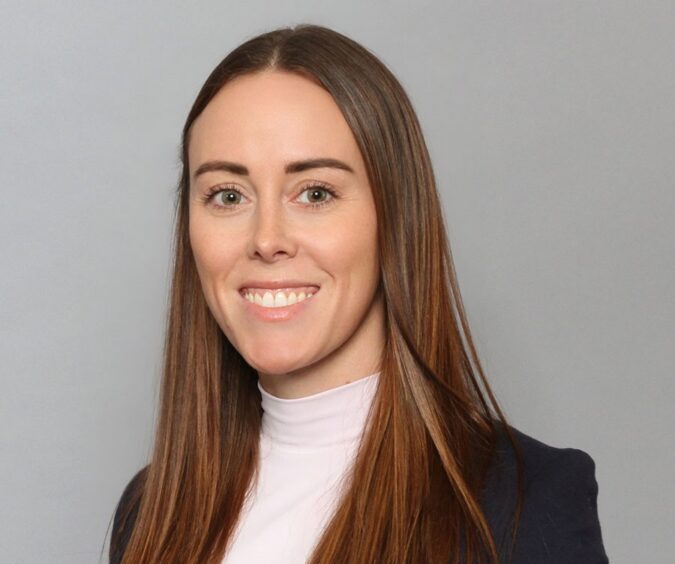
Dr. Amanda Butler is an Assistant Professor in the School of Criminology at Simon Fraser University. Dr. Butler’s work focuses on improving outcomes for justice-involved people with mental and substance use disorders. The topics of interest are drug policies, care pathways, criminal justice diversion, and correctional programming and policy. She is an Associate with the Access to Justice Centre of Excellence at the University of Victoria. She has also co-founded the Health and Justice Applied Research Collaborative. Dr. Butler was nominated for her extensive work over the past decade to improve correctional practice and outcomes for people with mental health and substance use needs.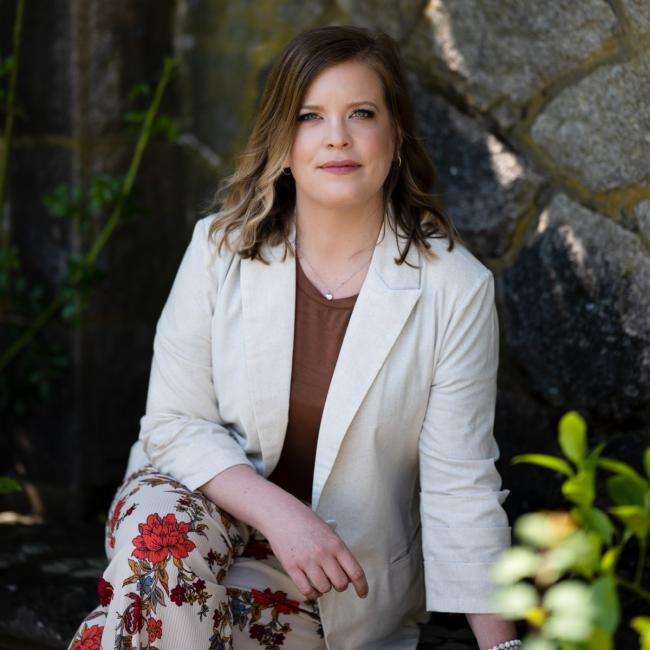
Dr. Ann-Kathrin McLean
Royal Roads University
Dr. Ann-Kathrin McLean
Dr. Ann-Kathrin McLean is an Assistant Professor in the School of Tourism and Hospitality Management at Royal Roads University. She was nominated for her exemplary research, teaching and commitment to students. Where she has shown commendable and inspirational leadership and scholarly contributions focusing on the politics of memory, Holocaust remembrance and discourse on learning from the past to shape a more peaceful global future. She published “Millennials, Transitional Memory and the Future of Holocaust” which helped her disseminate research findings and helped her contribute to the emerging outputs associated with Holocaust Remembrance.
Dr. Belinda kakiyosēw Daniels
University of Victoria
Dr. Belinda kakiyosēw Daniels
Dr. Belinda kakiyosēw Daniels is an Assistant Professor of Indigenous Education at the University of Victoria. She was nominated for her advocacy in Cree language revitalization. She specializes in teaching Cree as a second language and uses second language methods to teach other Indigenous language. She focuses on teaching from a nēhiyawak perspective, engaging in nēhiyawak language revitalization while working to unlearn the impacts of colonialization within formal educations. Apart from this she is the founder of nēhiyawak Language Experience Inc, which is a grassroot initiative for maintaining land-identity, engaging in cultural practices, and fostering language proficiency. She also sits on the CCUNESCO board for two areas: indigenous languages and land-based educations.
Dr. Julia Henderson
University of British Columbia
Dr. Julia Henderson
Dr. Julia Henderson is an Assistant Professor in the Department of Occupational Science and Occupational Therapy at the University of British Columbia. Dr. Henderson’s program research focuses on redressing ageism in North American culture, where she looks at how occupations can be used to counter ageism, foster sense of community and positively shape or reshape the notions of aging, old age, and practices of care. She is a member of the UBC’s Healthy Aging Project and Centre for Research on Personhood in Dementia, a Vice Chair of the North American Network in Aging Studies and the Creative Accessibilities Facilitator with Western Gold Theatre. She is nominated for how her research actively shapes how aging is discussed, represented, and addressed in cultural, community, and policy facing spaces.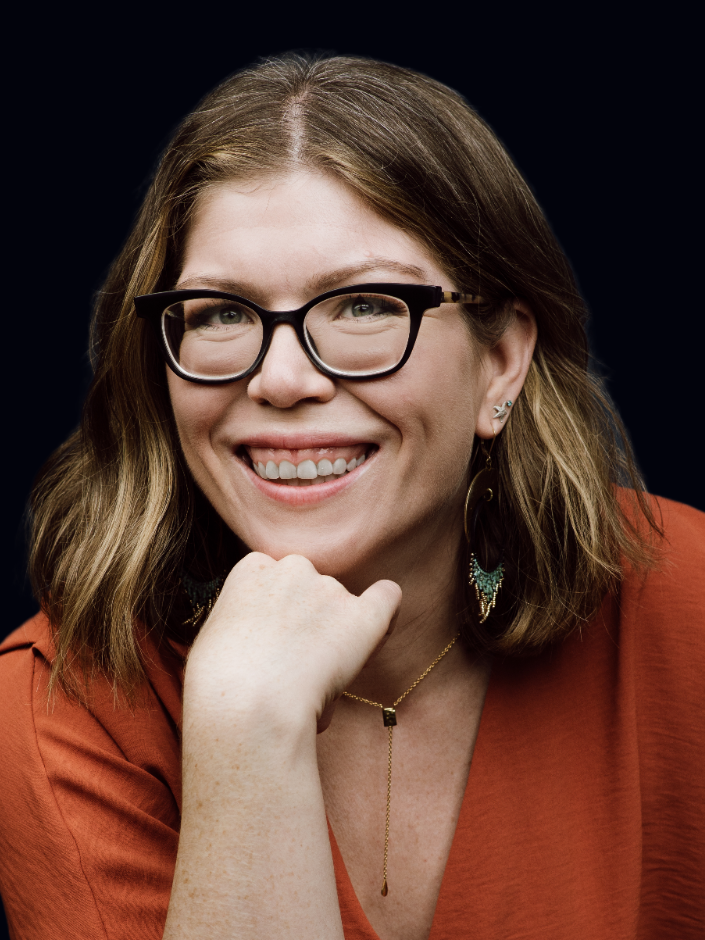
Dr. Kaylee Byers
University of British Columbia
Dr. Kaylee Byers
Dr. Kaylee Byers is an Assistant Professor at the School of Population and Public Health at the University of British Columbia. She was nominated for her outstanding work in bridging disciplinary divides and engaging knowledge users in collective action to support a healthier world. She uses an integrative One Health framework and eco-social justice lens to approach animal, human and ecosystem health. Her research projects engage the academic, government and community partners in co-creating and implementing practical tools and solutions to challenge threatening urban and rural communities. Apart from this, she is a Senior Scientist with the Pacific Institute on Pathogens, Pandemics and Society. She co-founded, organizes and host Nerd Nite Vancouver, which is a science seminar series which aims to share science in a casual setting.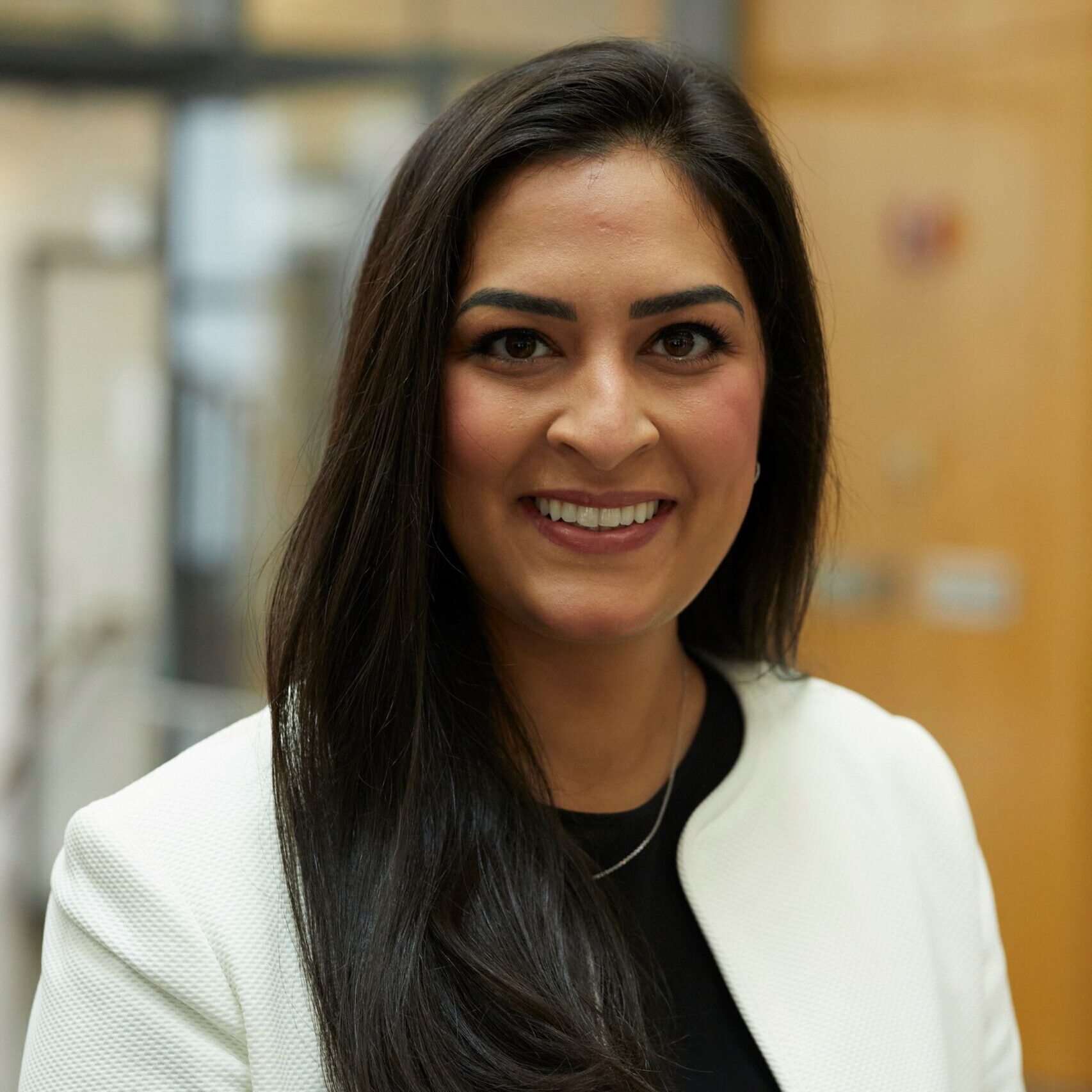
Dr. Michelle Amri
University of British Columbia
Dr. Michelle Amri
Dr. Michell Amri is an Assistant Professor of Global Health Ethics at the School of Population and Public Health at the University of British Columbia. She holds the Mary and Maurice Young Professorship in Applied Ethics, she has also served in various roles in government and the World Health Organization. She also sits on the Board of Directors for the Canadian Association for Global Health. Dr. Amri’s research is on global health and uses an applied ethic lens to focus on the normative nature of health equity, her work seeks to understand how equity can be incorporated in public policymaking. She has been named to the list of Canadian Women in Global Health, recognized with a Rising Star Award form Health Promotion Canada and awarded a Sovereign’s Medal for Volunteers from the Governor General of Canada. Dr. Amri has been nominated for her commitment to investigating global health policy and practice especially in understanding how health equity has been conceptualized and operationalized.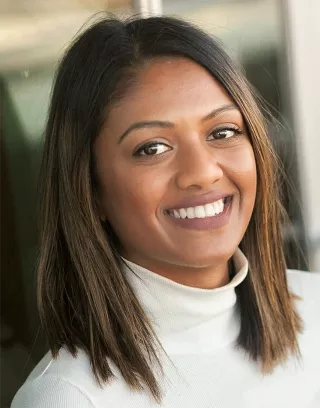
Dr. Sonja Senthanar
University of Northern British Columbia
Dr. Sonja Senthanar
Dr. Sonja Senthanar is an Assistant Professor at the School of Health Sciences at the University of Northern British Columbia. Dr. Senthanar’s research examines the work and health experiences of individuals who experience conditions of marginalization where she focuses on immigrant and refugee workers and at the intersections of racialization and gender. Her research interests focus on the employment outcomes, etiology and trajectories of work injuries, inequities in benefits, supports and health care for racialized, immigrant and refugee populations.
Ehor Boyanowsky Academic of the Year Award Nominees

Dr. Anusha Kassan
University of British Columbia
Dr. Anusha Kassan
Dr. Anusha Kassan is an Associate Professor who holds a high-impact position in child and youth mental health in the School and Applied Child Psychology programme at the University of British Columbia. Dr. Kassan was nominated for her work which centres on enhancing the wellness of newcomer children and youth in French and English schools through a series of identity-based, participatory, arts-based engagement ethnographies. Her work has had direct, profound impacts on various historically, persistently, and systemically marginalized (HPSM) communities, particularly diverse newcomer groups in Canada. Her research focused on two interconnecting areas: “The Immigration Experiences of Different Newcomer Communities” and “Teaching and Learning in Psychology Training.” Dr. Kassan’s scholarly activity has shaped policy, curricula and practices, ensuring that historically oppressed communities are central to the discourse in psychology.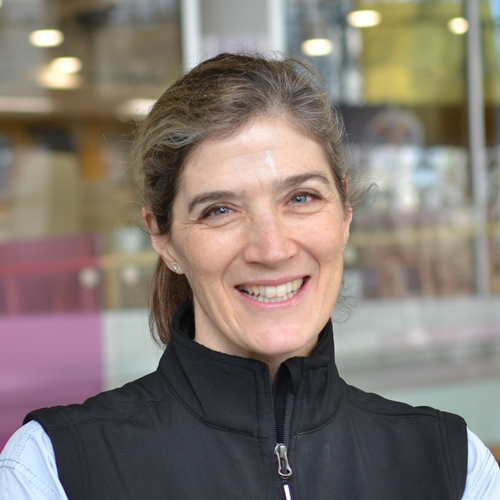
Dr. Corinne Hohl
University of British Columbia
Dr. Corinne Hohl
Dr. Corinne Hohl is Professor and Head of the Department of Emergency Medicine at the University of British Columbia, a practicing emergency physician, and leads a translational patient-oriented research program. Her work has resulted in a new framework that will transform drug safety monitoring nationally and internationally, with significant impacts on policy and clinical practice. Dr. Hohl served as Chair of the Canadian COVID-19 Emergency Department Rapid Response Network. During this project, she helped to standardize data collection nationally to enable high-quality studies in COVID-19 and supported an open science approach to enable other scientists to work with the data. This became the 3rd largest COVID-19 registry listed by the World Health Organization and resulted in 6 government solicited reports, and over 26 published manuscripts, while engaging with community and Indigenous partners and including important work on health equity, patient care, policy and science.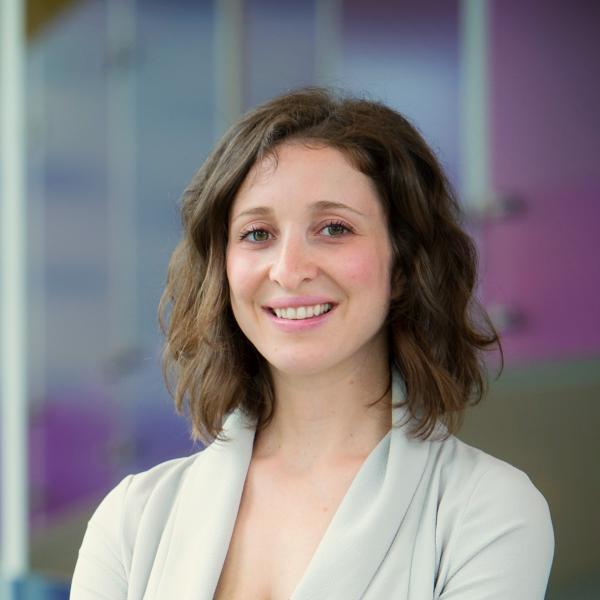
Dr. Jacquelyn Cragg
University of British Columbia
Dr. Jacquelyn Cragg
Dr. Jacquelyn Cragg is an Assistant Professor and Tier 2 Canada Research Chair in Open Data Science in the Faculty of Pharmaceutical Science at the University of British Columbia. She was nominated for her outstanding contributions to identifying causes, risk factors and biomarkers of neurological disease progression, including Parkinson’s disease, amyotrophic lateral sclerosis, multiple sclerosis, spinal cord injury and stroke. Dr. Cragg’s work uses advanced analytical techniques and machine-learning algorithms with applications in modelling disease progression, drug safety, and drug repurposing.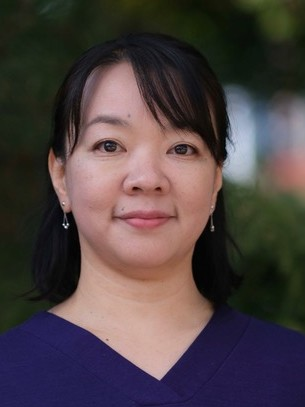
Dr. Kanna Hayashi
Simon Fraser University
Dr. Kanna Hayashi
Dr. Kanna Hayashi is Associate Professor in the Faculty of Health Sciences at Simon Fraser University. Dr. Hayashi studies social and clinical epidemiology of substance use, community-based research, harm reduction, substance use care, and equity-promoting approaches to drug policy and programming. She leads the Vancouver Injection Drug Users Study and co-leads community-based participatory action-oriented research projects with collaborators such as the Vancouver Area Network on Drug Users, Pivot Legal Society and Mitsampan Harm Reduction Center/Thai AIDS treatment Action group based in Thailand.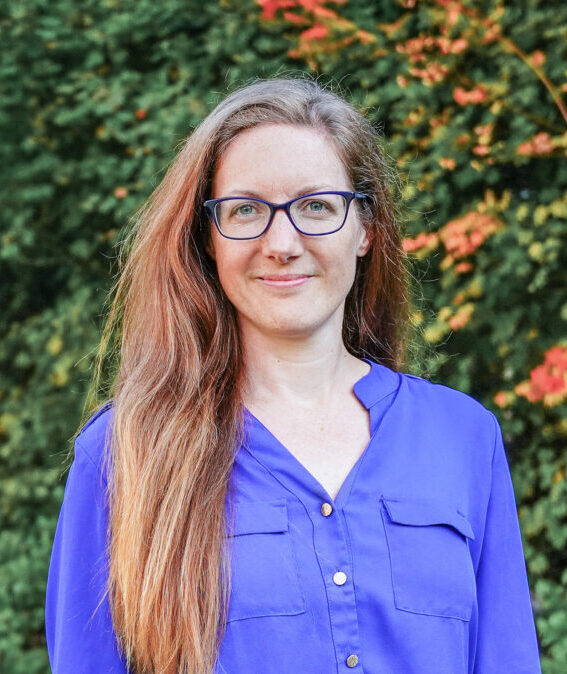
Dr. Rachel White
University of British Columbia
Dr. Rachel White
Dr. Rachel White is an Assistant Professor in the Department of Earth, Ocean and Atmospheric Science at the University of British Columbia. Dr. White was nominated for her outstanding contributions to advancing public understanding of climate change and its associated risks. Her research focuses on large-scale atmospheric dynamics and the links between atmospheric circulation and extreme weather events. By strengthening these connections, she works to improve predictions of extreme weather and deepen understanding of how anthropogenic climate change is shaping weather extremes.
Paz Buttedahl Career Achievement Award Nominees
Dr. Chris Johnson
University of Northern British Columbia
Dr. Chris Johnson
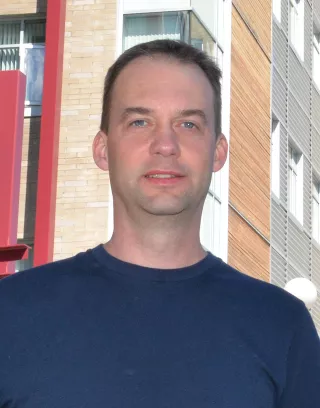
Dr. Chris Johnson is a Professor in the Landscape Conservation and Management Program at the University of Northern British Columbia. A Registered Professional Biologist, Dr. Johnson chairs the Credentials Committee of the BC College of Applied Biology and co-chairs the Terrestrial Mammals Subcommittee of the Committee on the Status of Endangered Wildlife in Canada. His research integrates wildlife, landscape, and conservation ecology to mitigate human development impacts. Current work examines cumulative effects on Arctic wildlife, species-distribution models, and community-based conservation. He was nominated for outstanding contributions to conservation across British Columbia and Canada.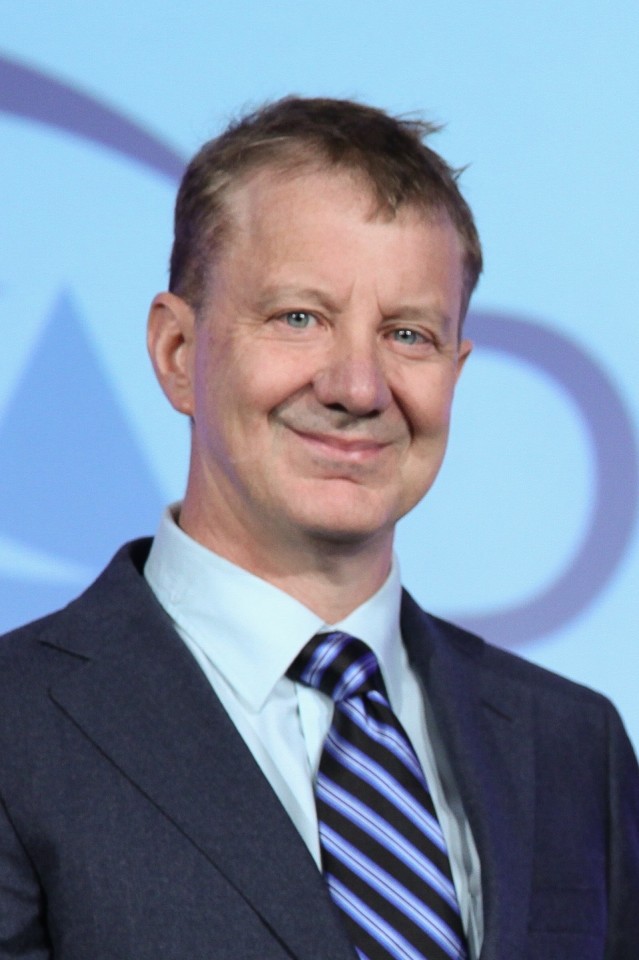
Dr. Christopher Overall
University of British Columbia
Dr. Christopher Overall
Dr. Christopher Overall is a Professor in the Department of Oral Biological and Medical Sciences in the Faculty of Dentistry at the University of British Columbia. Dr. Overall is a Distinguished University Scholar and Canada Research Chair Laureate in Protease Proteomics and Systems Biology. He was inducted as a fellow into the Royal Society of Canada Academy of Sciences in 2018 and the Canadian Academy of Health Sciences in 2005. Dr. Overall is best known for developing proteomic methodology to discover protease substrates in vivo, establishing the field of degradomics. Dr. Overall was nominated for his contributions to the fields of proteomics and degradomics and how this has fundamentally reshaped the understanding for protease biology, profoundly impacting biomedical research, clinical diagnostics, and therapeutic development.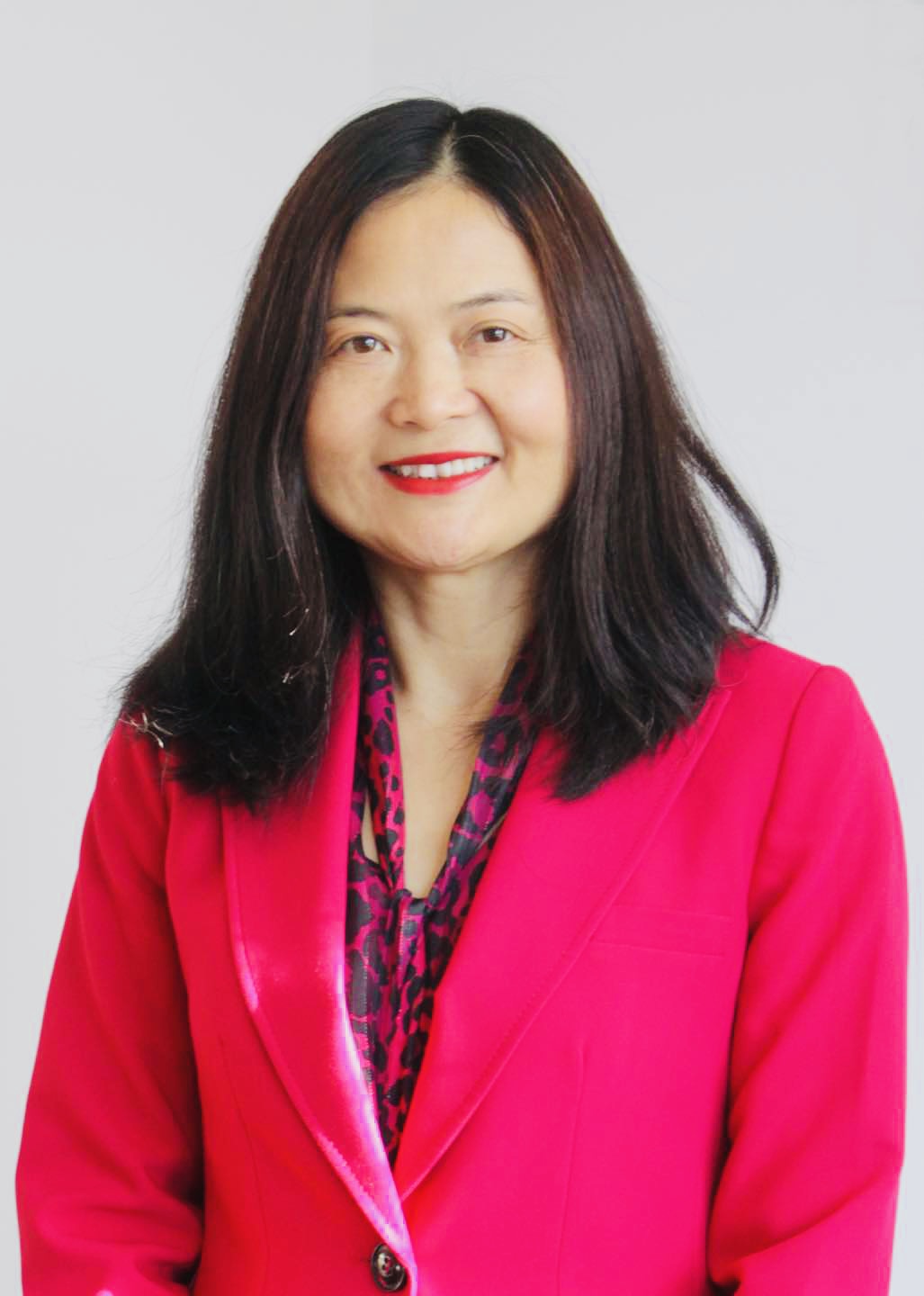
Dr. Guofang Li
University of British Columbia
Dr. Guofang Li
Dr. Guofang Li is a Professor and Tier 1 Canada Research Chair in Transnational and Global Perspectives of Language and Literacy Education of Children and Youth at the University of British Columbia. Dr. Li’s research explores language and literacy development among multilingual children and youth in transnational and immigrant contexts. She examines bilingualism, biliteracy, digital literacies, and technology-supported instruction through longitudinal and cross-cultural studies. Dr. Li advances equity-focused teacher education and leads outreach initiatives supporting second and heritage language learning in immigrant and refugee communities, non-profit organizations, and diverse schools.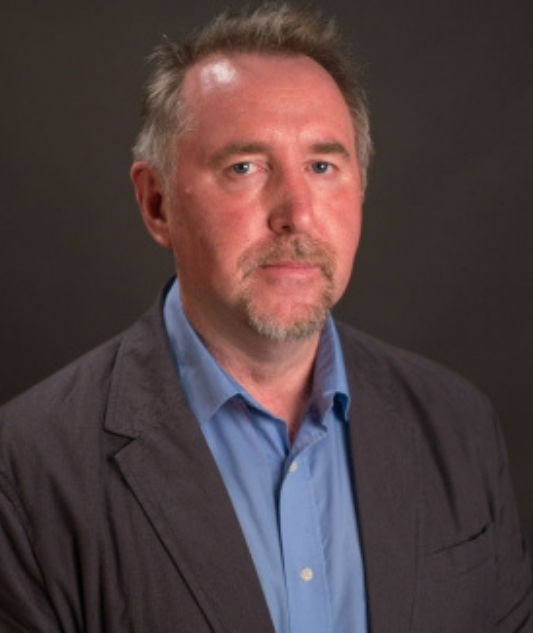
Dr. Kenneth Christie
Royal Roads University
Dr. Kenneth Christie
Dr. Kenneth Christie is a Professor and Program Head in the Human Security and Peacebuilding graduate program at Royal Roads University. He was nominated for his more than 40-year career in academia, that spanned to multiple countries and continents. Working in multiple countries in the world, this gave Dr. Christie a unique perspective on peace, development and human security. His work is focused on issues on human rights, security and democratization, where now he is working on issues relating to human security and its links to ethnic and state formation/failure in the Middle East, North Africa and South Asia. Dr. Christie is also working on issues of deradicalization, terrorism and human rights as well as populism and corporate social responsibility. He is a widely published author, who’s most recent book was called “Migration, Refugees and Human Security in the Mediterranean and MENA.”
Dr. Laura Arbour
University of British Columbia
Dr. Laura Arbour
Dr. Laura Arbour is a Professor in the Department of Medical Genetics at the University of British Columbia Island Medical Program and an Affiliate Professor in the Division of Biomedical Sciences at the University of Victoria. A pediatrician and clinical geneticist, her work focuses on northern and Aboriginal health in genetics. Dr. Arbour researches inherited arrhythmias, congenital anomalies, and other adverse birth outcomes and etiology of rare diseases. As lead of the Community Genetics Research program at UVic, she partners with First Nations and Inuit communities to advance equitable, ethically grounded genomic care, improving outcomes across British Columbia.
Dr. Lenora Marcellus
University of Victoria
Dr. Lenora Marcellus
Dr. Lenora Marcellus is a Professor and Director in the School of Nursing at the University of Victoria. Dr. Marcellus was nominated for her long-standing program of research studying the impact of substance use during pregnancy, neonatal opioid withdrawal, and supporting infants in foster care. Her research focuses on supporting pregnant and newly parenting women who are experiencing multiple adversities and their families in their transition to parenting. Her work has contributed to integrated community-based services for families, supporting infants experiencing Neonatal Opioid Withdrawal after birth and supporting foster care providers who care for this population.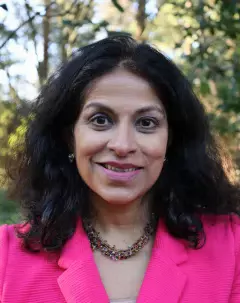
Dr. Maneesha Deckha
University of Victoria
Dr. Maneesha Deckha
Dr. Maneesha Deckha is a Professor and the Lansdowne Chair in the Faculty of Law at the University of Victoria. Dr. Deckha’s research expertise includes critical animal law, vegan ecofeminist theory, postcolonial theory, reproductive rights, health law and bioethics. Her work examines the gendered, culture, racialized, and species dimensions of law. Dr. Deckha was nominated for how her work has profoundly influenced multiple academic fields and sparked bold public dialogue about the responsibility of humans to rethink legal and social norms in pursuit of more peaceful, ethical, and mutually sustaining relationships with other beings.
Dr. Phalguni Mukhopadhyaya
University of Victoria
Dr. Phalguni Mukhopadhyaya
Dr. Phalguni Mukhopadhyaya is a Professor in the Department of Civil Engineering at the University of Victoria. He is the Director of Master of Engineering in Building Envelopes and Structure program. Dr. Mukhopadhyaya’s research focuses on energy efficiency buildings, high performance thermal insulations, hygrothermal response of building envelopes, bio-based construction materials and retrofit technologies. He was nominated for his innovative ideas and frameworks that meet real-world needs in construction and building science, and then mobilizing them through policy, standards and practice.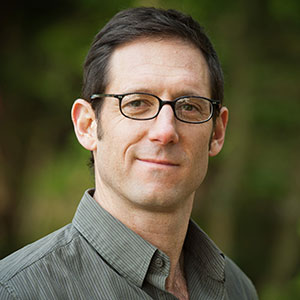
Dr. Sean Smukler
University of British Columbia
Dr. Sean Smukler
Dr. Sean Smukler is an Associate Professor and the Chair of Agriculture and Environment in Land and Food Systems at the University of British Columbia. He is also the Principal Investigator of the Sustainable Agricultural Landscapes Lab and the Director of the Centre of Sustainable Food Systems at UBC Farm. Dr. Smukler’s research investigates the relationship between agriculture and ecosystem services both in developing and developed world agricultural landscapes. He focuses on finding ways to better monitor, protect and enhance biodiversity and the availability of ecosystem services including food, fiber, fuel and timber production, greenhouse gas mitigation, and water quality and quantity regulation. Dr. Smukler is nominated for his involvement in large policy decisions, on-the-ground support for local non-profits, participatory research with farmers, and working with youth to become more informed stewards of the land.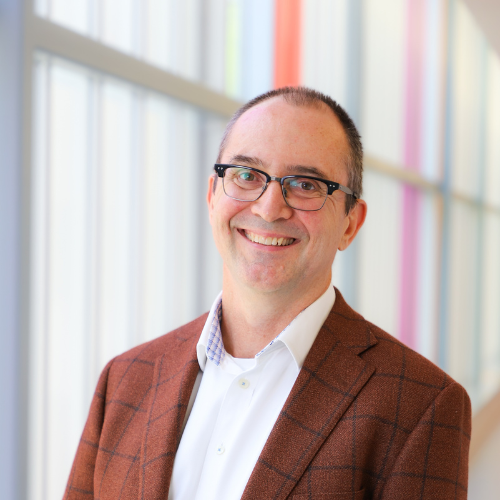
Dr. Stuart Turvey
University of British Columbia
Dr. Stuart Turvey
Dr. Stuart Turvey is a Professor in the Faculty of Medicine at the University of British Columbia. He is a pediatric clinical immunologist who holds a Tier 1 Canada Research Chair in Pediatric Precision Health, and a Pediatric Immunologist based at BC Children’s Hospital. As a practising pediatric immunologist based at BC Children’s Hospital, Dr. Turvey’s research program responds to major challenges in contemporary pediatric medicine. Specifically, his research focuses on childhood immune deficiency diseases and disorders of immune dysfunction including asthma, allergies, and autoimmunity. Dr. Turvey is internationally recognized for his research in developing precision health-based strategies to address childhood asthma and pediatric immune system disorders, and he is a highly effective mentor for the next generation of child health clinician-scientists.